
A Lesson From a Senegalese Operating Room I’ll Never Forget
by Emily Ma
Last month, I returned to Senegal and joined the surgical team at Fatick Hospital. I thought I knew what to expect, but the operating rooms were nothing like the ones I’d seen in the U.S.—darker, warmer, and stripped down to the essentials. Supplies came out of a cardboard box instead of neatly organized shelves. Surgeons handled tasks I’d only ever seen nurses do. Everything required adaptability.
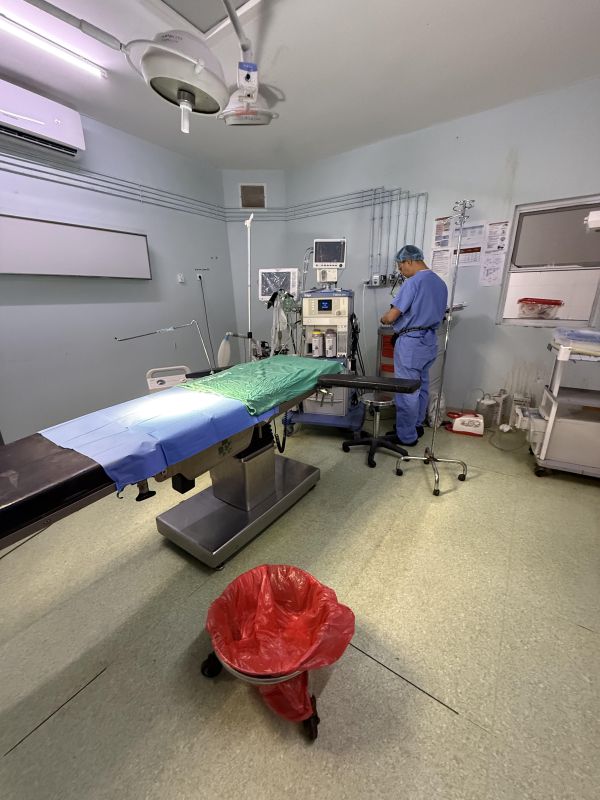
Our patient that day was a 45‑kg woman scheduled for a myomectomy. Midway through the operation, it became clear that a hysterectomy would be safer. With cultural sensitivity and the help of a local surgeon, the team spoke with her while she was under anesthesia. She asked to confirm the decision with her husband—a reflection of the cultural weight childbearing carries in Senegal. Once they agreed, the surgery continued without complication.
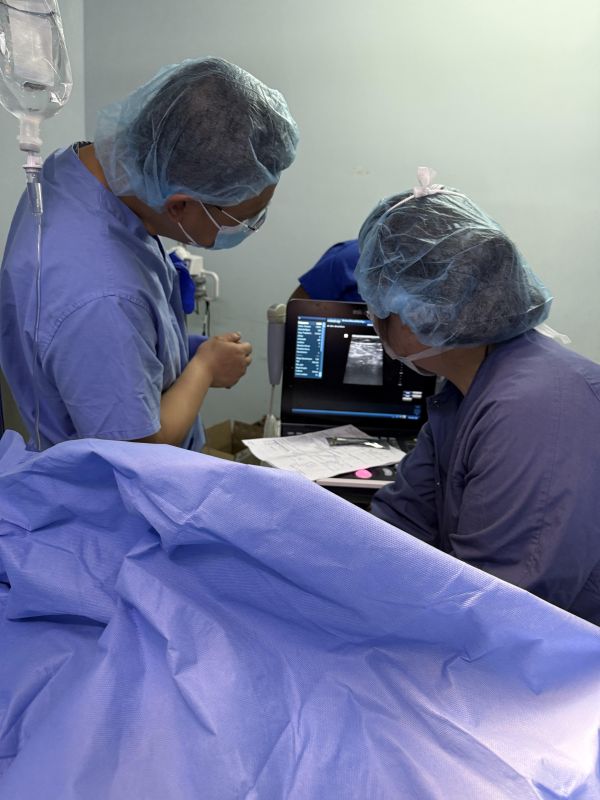
But as she woke up, her body began shaking uncontrollably. It took me a moment to understand—she was cold. There were no warming blankets, no bear huggers, none of the equipment I had taken for granted in U.S. operating rooms. Just a thin sheet.
I stood beside her, trying to warm her with my gloved hands. We searched the nearly empty hospital for help, eventually moving her into the warm night air. Even after sunset, Fatick hovered around 90°F, and slowly her shaking eased.
I worried about her all night. But the next morning, she was smiling—grateful, recovering, resilient.
That moment stayed with me. It reminded me that good care isn’t defined by equipment or technology. It’s defined by presence, adaptability, and the willingness to do whatever you can with whatever you have.