
I Was Shocked by the Crowd at the Door First Thing in the Morning
Africa Cries Out Report — 2026 No.11
Wang Xi
March 28, 2026 — Dakar
When I walked to the dining hall entrance this morning, I froze.
I had assumed that at daybreak, people would still be slowly waking up.
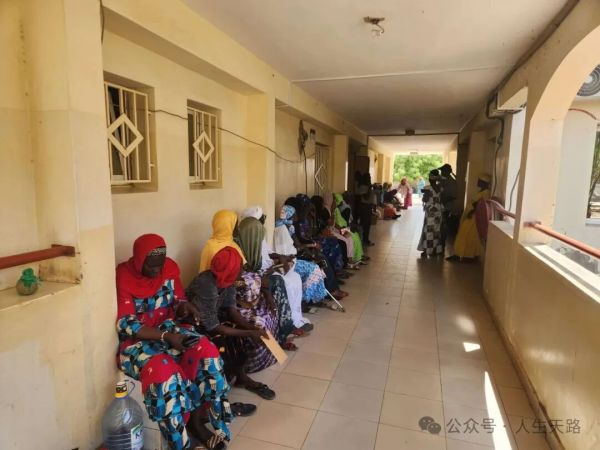
But under the canopy at the door, the seats were already filled with villagers waiting to see a doctor.
Rows of plastic chairs held people dressed in colorful robes and headscarves — rose red, bright yellow, deep blue, orange — spread out in the morning light like pieces of cloth worn and wrinkled by life, yet still vibrant.
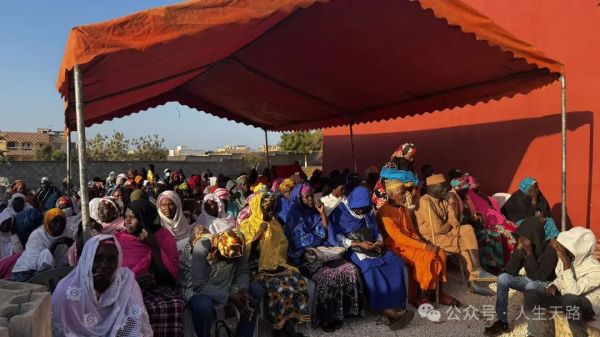
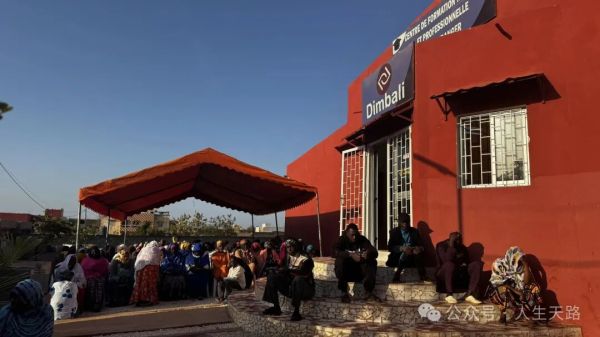
Some waited quietly with their heads down.
Some whispered softly to one another.
Some held children in their arms.
Some simply sat there, with a hint of exhaustion in their eyes — and also a hint of hope.
When they saw me, they smiled — wide, bright smiles showing their white teeth.
Someone greeted me in Wolof: “Salaam aleekum” — Peace be upon you.
I replied, “Maalekum salaam” — And peace be upon you as well.
It’s the only local phrase I know, and my poor pronunciation often makes them laugh.
In that moment, something gently struck my heart.
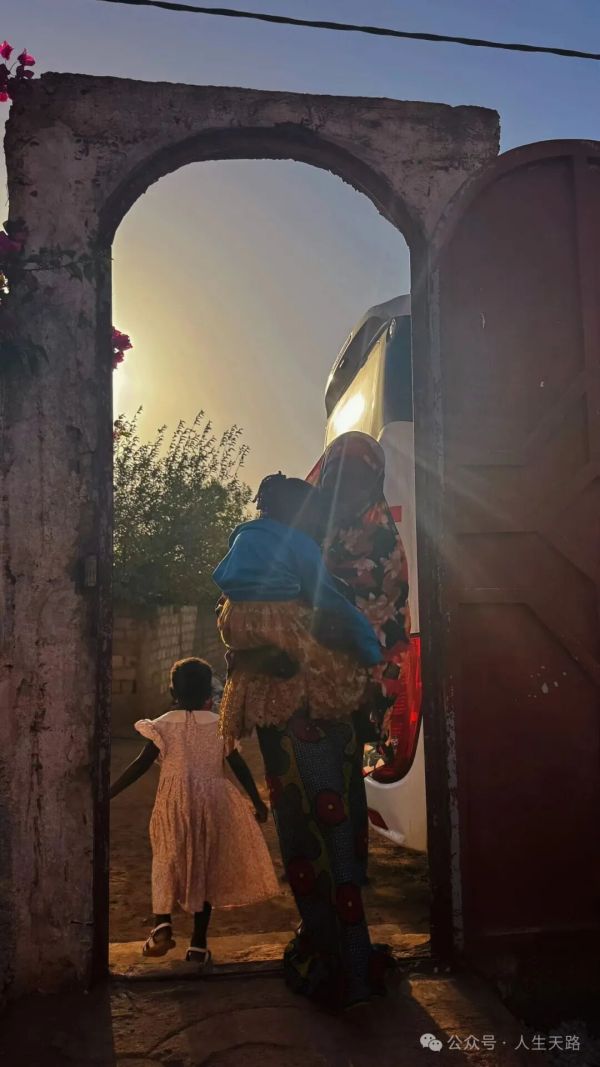
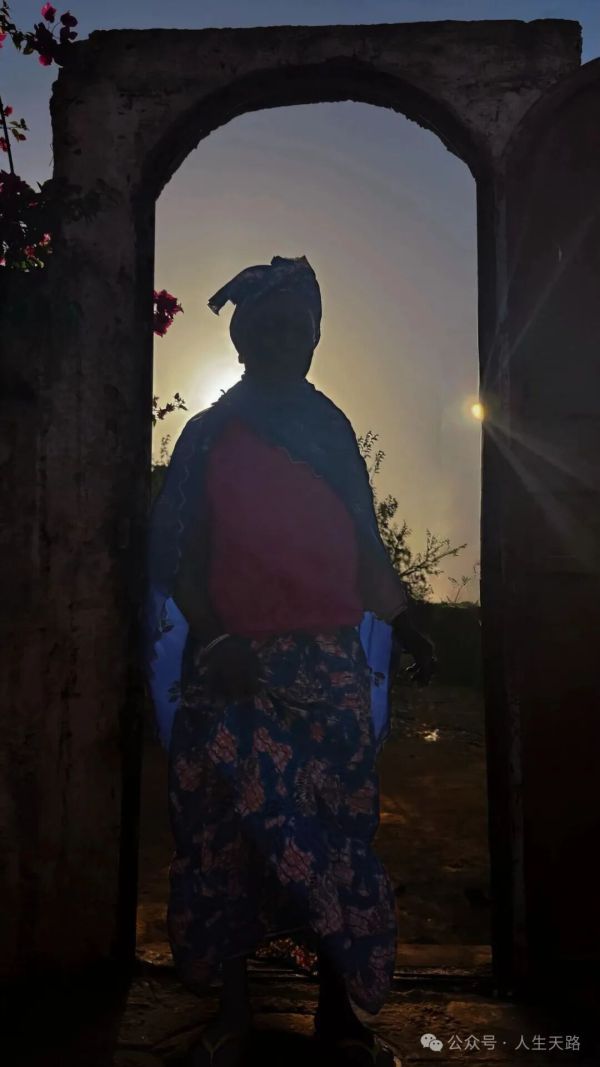
This small doorway reminded me of the “narrow gate.”
We often think we are the ones “going out to help others.”
But many times, when you actually stand on the ground, you realize:
It is not that we bring love to them —
It is their genuine need that brings us back to the essence of love.
They arrived earlier than we did.
Before we had even gathered ourselves for the day, they were already sitting here — bringing with them their physical pain, the hardships of life, and the hope that “maybe today will be a little better.”
And suddenly, the meaning of the day became clear.
A medical mission is never just about diagnosing, prescribing, taking blood pressure, writing notes, or performing surgeries.
It is a response —
A response to unspoken sighs,
A response to needs long overlooked,
A response to the real, tangible lives God places before us.
Sometimes I wonder:
When our Lord walked on earth, seeing the crowds pressing around Him, waiting for Him, reaching out to touch His garment, or being lowered from a roof for healing —
Did His heart soften the same way?
Because true compassion is never charity from above.
It is seeing.
It is stopping.
It is being willing to give yourself to another’s need.
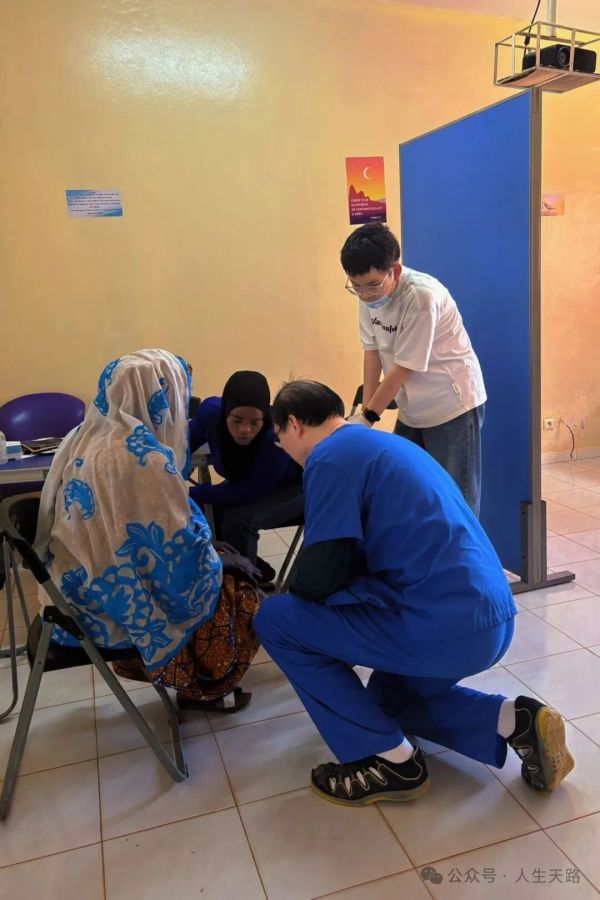
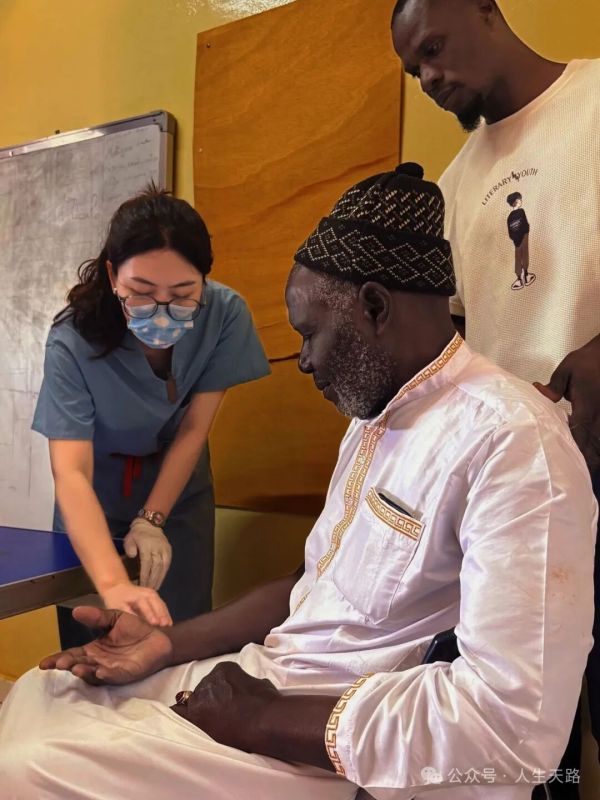
The people sitting at the door today reminded me again:
The deepest poverty in this world is often not the lack of medicine —
but the lack of being truly seen.
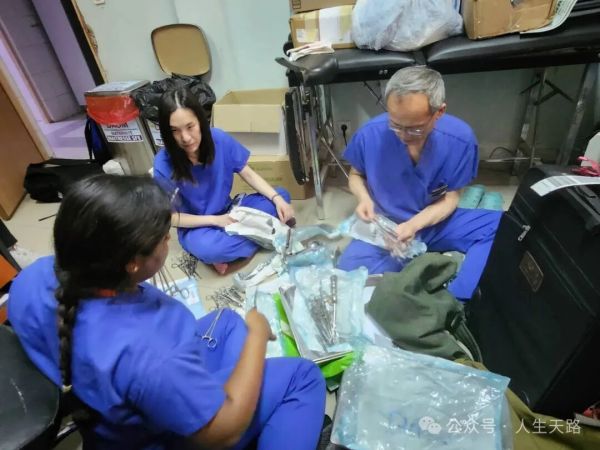
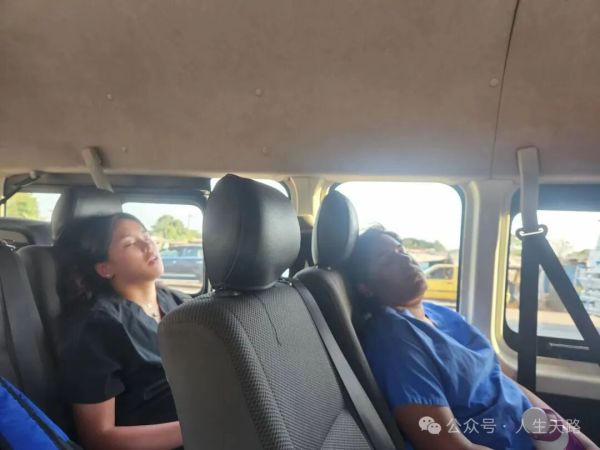
The Surgical & Anesthesia Team
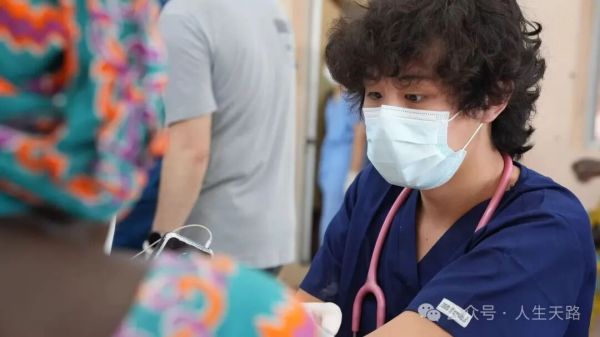
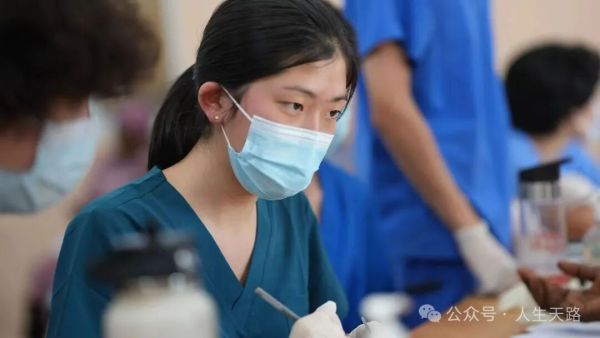
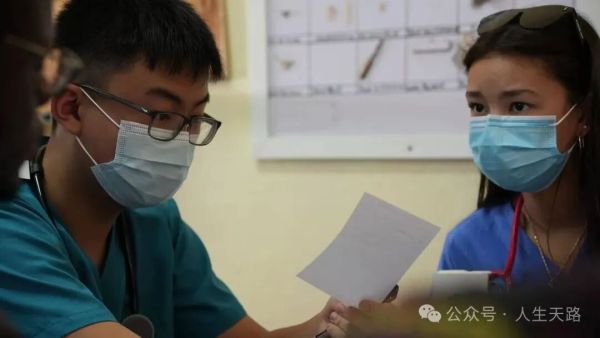
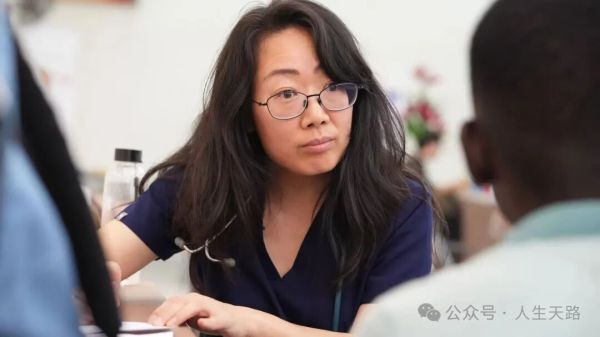
The surgical and anesthesia team of eight left early in the morning to screen patients at a local Dakar hospital.
None of them had lunch.
To ensure surgeries could begin promptly on Monday, the doctors sat on the floor in a cramped, sweltering room, sorting and preparing surgical instruments for sterilization.
By the time they returned to base, it was past 8 p.m. — exhausted and hungry.
May what the Africa Cries Out team offers today be more than pills and instructions —
may it also be patience, respect, and gentleness.
May every person sitting here know, even as they wait:
They are not forgotten.
They arrived earlier than the morning light.
May we bring love earlier than the rising sun.
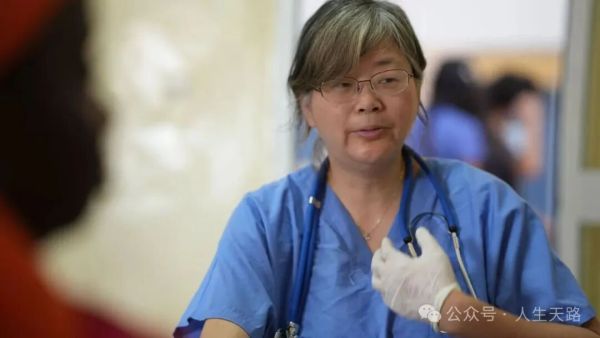
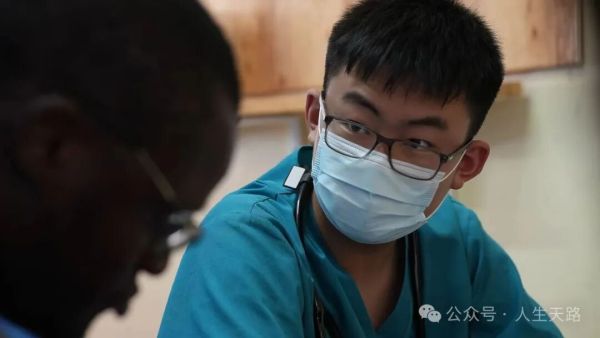
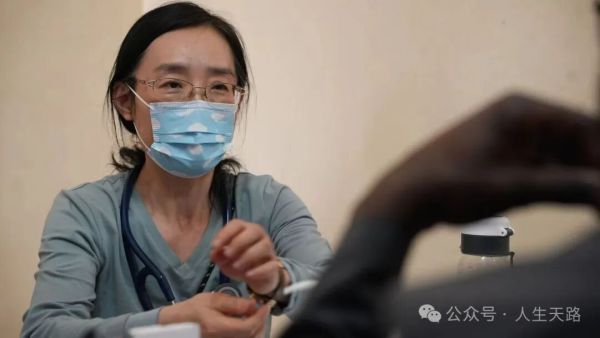
A Story Shared by a Brother
A few days ago, a brother shared why he brought his wife and daughter to Senegal.
They had many choices — many places with better living conditions.
Why come here?
He told a story from his own life.
After the May 12, 2008 Sichuan earthquake, he joined a medical relief team in Wenchuan. Their task was to deliver supplies to villages that had not yet received any aid.
At first, villagers welcomed them warmly.
But when they learned the team was Christian, they immediately asked them to leave.
Confused, they asked a local villager why.
They learned that on May 13, the day after the earthquake, some Christians had come — but they brought only Bibles and gospel tracts, nothing that addressed the villagers’ urgent needs.
This deeply impacted him.
On one hand, he admired those believers who rushed into the disaster zone despite the danger of aftershocks.
On the other hand, he began to reflect:
What is love?
Beyond bringing the gospel, should we not also consider people’s practical needs?
Should we not see our responsibility where their needs are greatest?
Just like our Lord —
He taught in the temple,
but He also traveled through towns and villages healing the sick, casting out demons, and feeding the hungry with five loaves and two fish.
How do the Great Commission and the Great Commandment come together?
How do we proclaim the gospel while living out “love God and love your neighbor as yourself”?
This experience shaped why his family is now serving in impoverished Senegal.
“The Word became flesh” is a mystery —
and the answer is simply to do as He did.
Another brother shared today that his coming to Africa was itself a miracle — God’s clear calling versus his own hesitation.
He said if he didn’t come, he feared God would discipline him.
I told him, “Not discipline — but you would miss the blessing.”
“If anyone knows the good they ought to do and doesn’t do it, it is sin for them.”
(James 4:17)